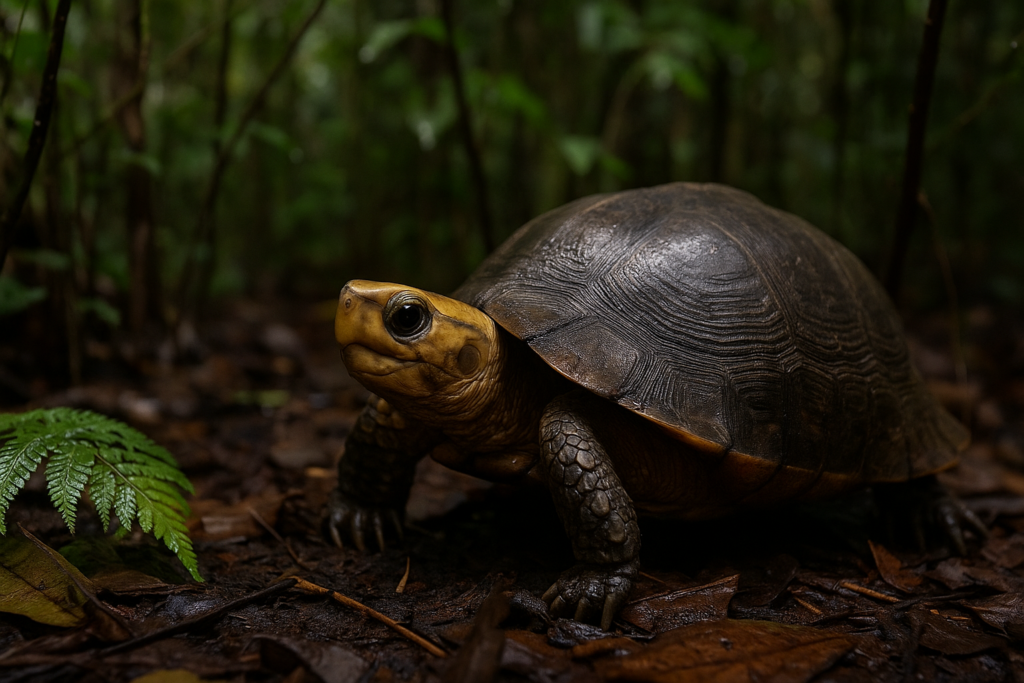
We invite driven students to engage with our lab in field herpetology, molecular evolution, and conservation data science. This is your runway to real discovery and real-world relevance, where your work stops being an assignment and starts becoming impact
Full Scholarships are available for candidates from the following countries
Argentina, Australia, Austria, Azerbaijan, Bangladesh, Botswana, Brazil, Cambodia, Canada, Chile, China, Colombia, Denmark, Dominican Republic, Ecuador, Ethiopia, Fiji, Finland, France, Germany, India, Iran, Jamaica, Japan, Kazakhstan, Kenya, Kiribati, Laos, Malaysia, Maldives, Mauritius, Mexico, Montenegro, Myanmar, Namibia, Netherlands, New Zealand, Nigeria, Pakistan, Papua New Guinea, Philippines, Saint Lucia, Singapore, Solomon Islands, South Korea, Sri Lanka, Suriname, Tanzania, Thailand, Timor-Leste, Tonga, United Kingdom, Uruguay, Uzbekistan, Vanuatu, Vietnam, or Zimbabwe
Undergraduate Research Projects
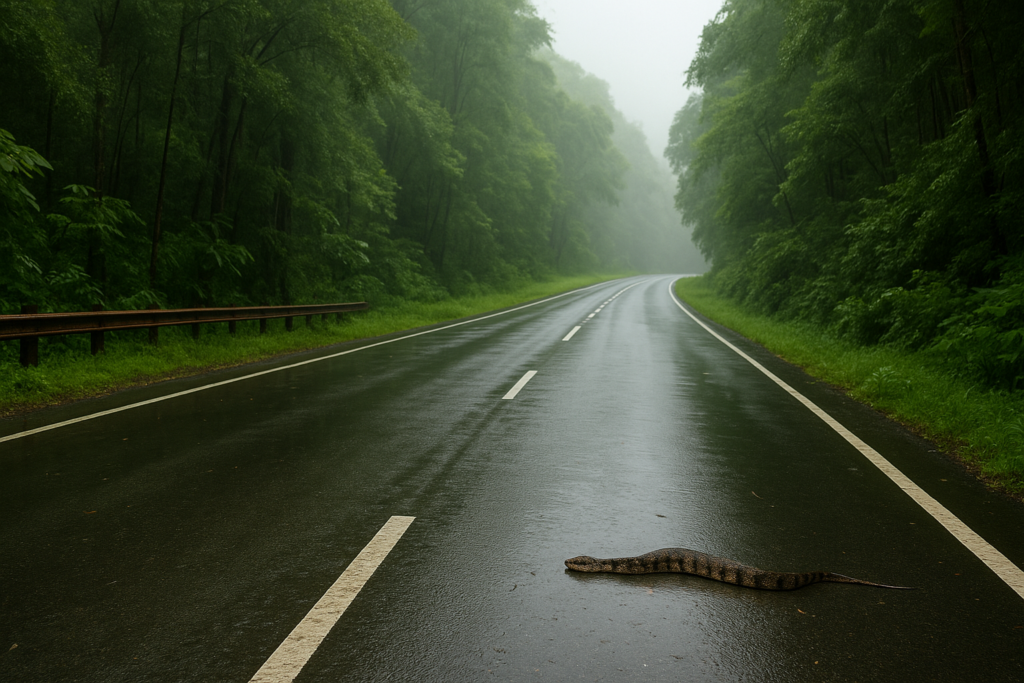
Evaluating the Impact of Roads on Herpetofauna
Rapid urbanization in Indonesia has led to an expanding network of roads and a dramatic increase in traffic volumes across many regions. While road infrastructure supports economic development and connectivity, it also imposes long-term ecological costs by fragmenting habitats and disrupting wildlife populations. Roads act as physical barriers that limit gene flow, create edge effects that alter microhabitats, and cause direct mortality through vehicle collisions.
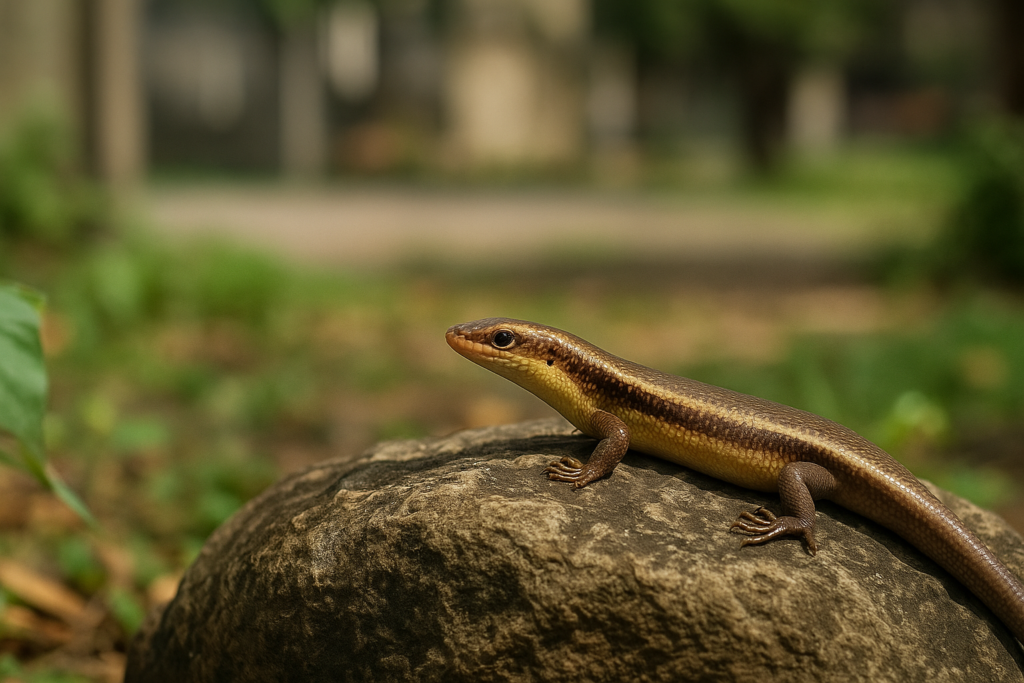
Ecology and Relative Abundance of Sun Skinks
Indonesia harbors at least five species of sun skinks belonging to the genus Eutropis. These small, agile lizards play an essential role in ecosystems—as predators of small invertebrates and as prey for larger vertebrates—making them important indicators of ecological balance. Although Eutropis species inhabit a wide range of environments, from pristine forests to heavily urbanized areas, their ecological roles and population dynamics in urban settings remain poorly documented.
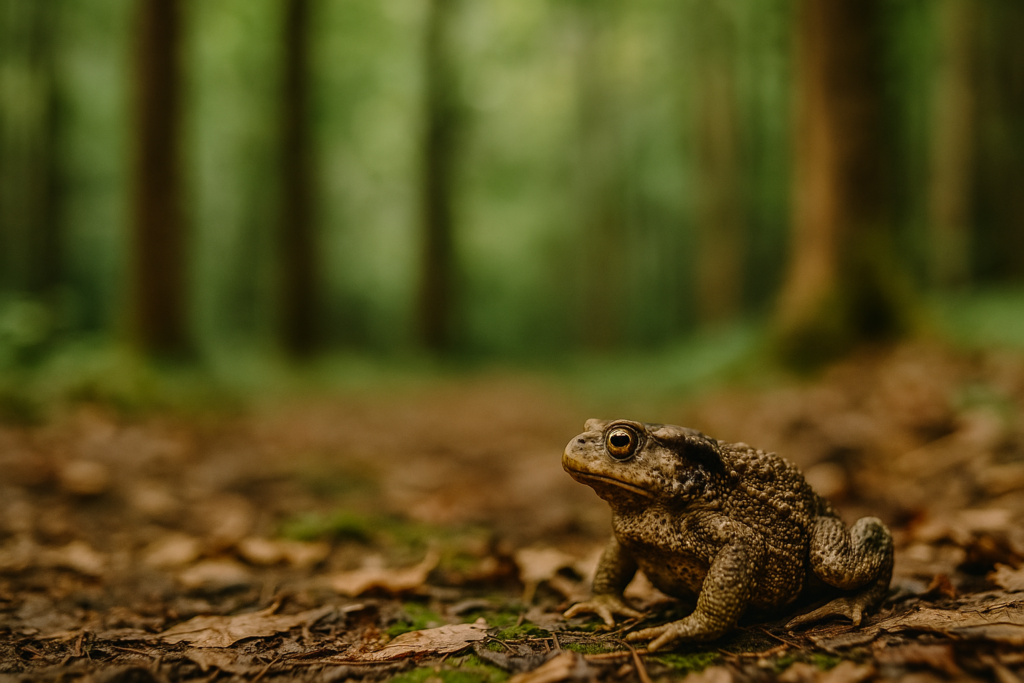
Impact of Relocation on Home Range Size of the Asian Toad
The Common Asian Toad (Duttaphrynus melanostictus) is a widespread amphibian native to South and Southeast Asia, inhabiting a diverse range of ecosystems from forests and agricultural lands to urban environments. Although abundant in its native range, this species has established invasive populations in several regions—including Australia, Madagascar, and the United Arab Emirates—raising serious concerns about its ecological impacts on native fauna and ecosystems.
Master’s Research Projects
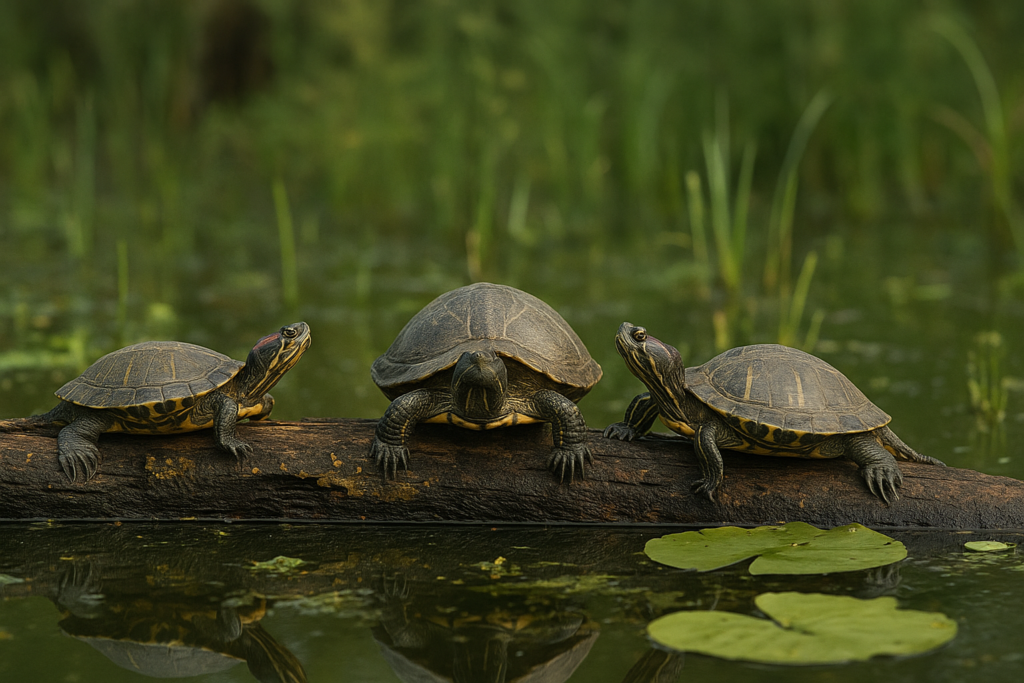
Invasive Turtle Species in Indonesia – Distribution, Impacts, Management
Invasive species pose an increasing threat to global biodiversity by disrupting ecosystems, outcompeting native species, and altering natural habitats. When introduced into new environments, they often become dominant due to the absence of natural predators, pathogens, or competitors. Their spread is commonly facilitated by human activities such as trade, transportation, and the accidental or deliberate release of exotic animals. Freshwater turtles, widely traded as pets, are among the species most frequently introduced into non-native habitats, where some populations have become established.
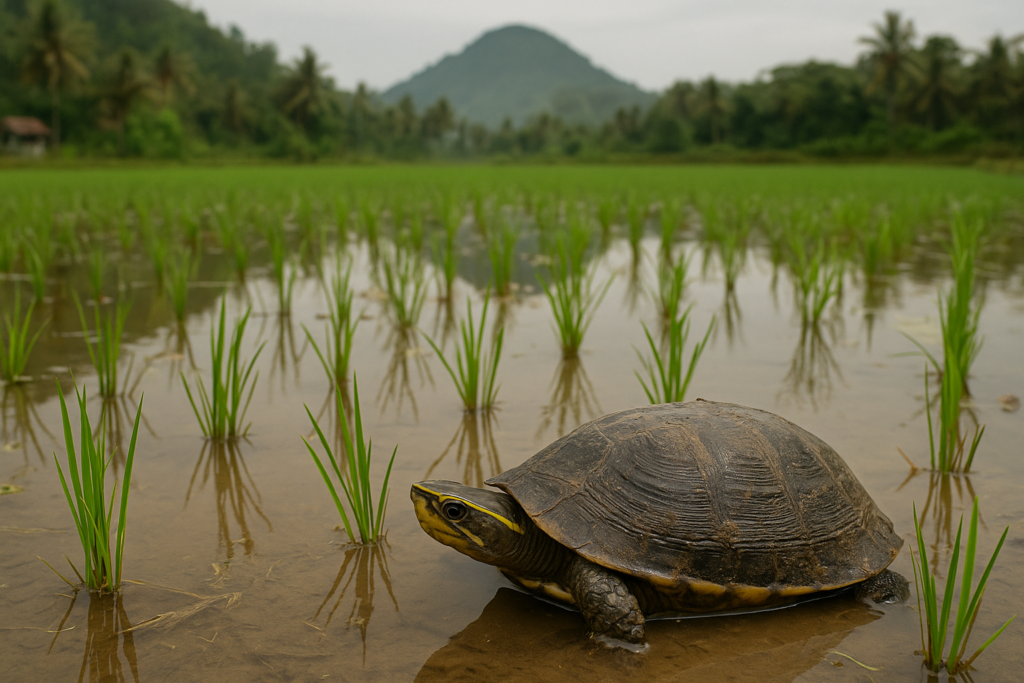
Assessing the Spatial Ecology of SE Asian Box Turtle in Natural and Peri-Urban Landscapes
Indonesia supports several species of freshwater turtles and tortoises, many of which are listed as endangered by the International Union for Conservation of Nature (IUCN) due to ongoing threats such as habitat loss, poaching, and illegal trade. Although these chelonians are frequently encountered in the wildlife market, fundamental ecological information—particularly regarding their habitat use and movement patterns—remains scarce.
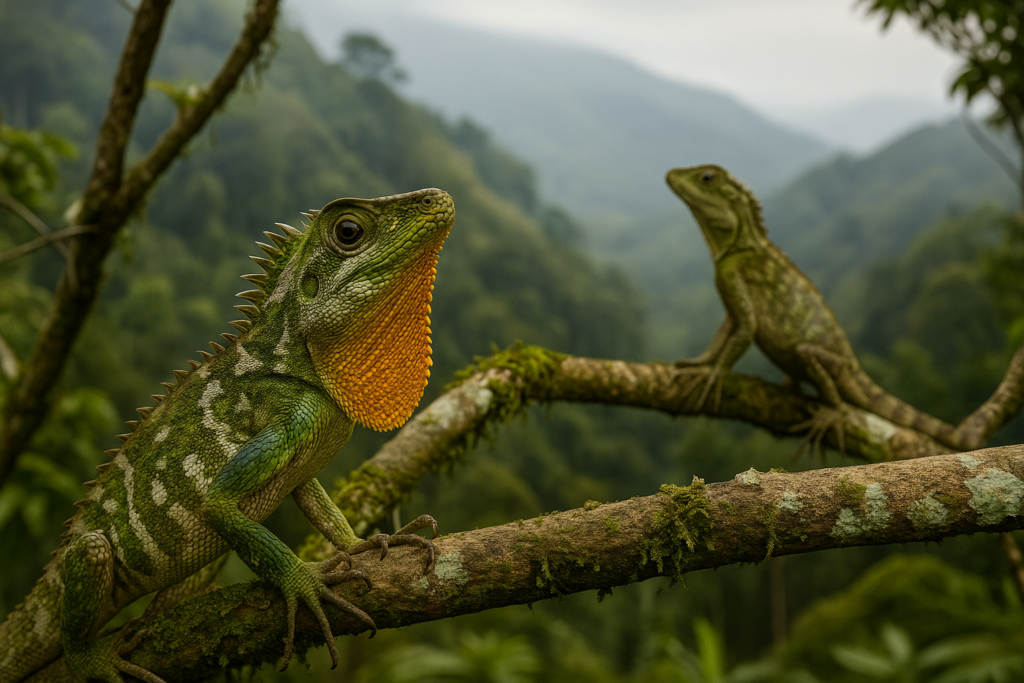
Assessing the Impact of Altitude on Sexual Size Dimorphism, Body Condition, and Reproduction in Arboreal Agamid Lizards
Sexual size dimorphism (SSD)—differences in body size between males and females—is a well-documented phenomenon in many reptile and amphibian groups. Male-biased SSD is commonly observed in anoles, tropidurids, varanids, and marine iguanas, whereas female-biased SSD occurs in several polychrotids, skinks, and pygopodids. However, patterns of SSD can vary geographically and are strongly influenced by ecological and evolutionary pressures acting on specific species.
Insular Body Size Evolution in Lizards and Frogs: Testing the Island Rule in Indonesia
The Island Rule is a well-established ecological theory describing predictable patterns in body size evolution among insular species. It proposes that small-bodied species often evolve larger sizes (insular gigantism), whereas large-bodied species tend to become smaller (insular dwarfism) when isolated on islands. This evolutionary pattern is influenced by several ecological and environmental factors, including island size, distance from the mainland, predation pressure, and resource availability. While this rule has been widely demonstrated in mammals, birds, and reptiles, evidence for amphibians remains less consistent and understudied.
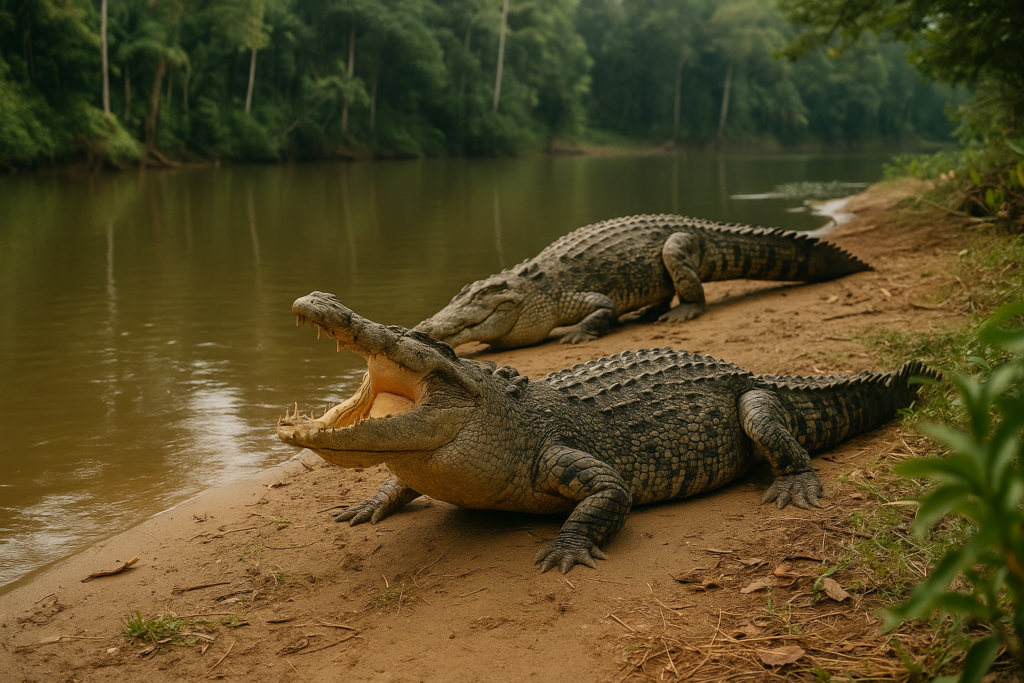
Assessing Relocation Success and Homing Behaviour of Crocodiles in Indonesia
Human–crocodile conflict represents a major conservation and public safety challenge in Indonesia, with approximately 665 attacks reported over the past decade—nearly half of which were fatal. These conflicts are particularly concerning in rural and coastal communities where people depend heavily on rivers, lakes, and estuaries for fishing and other livelihoods, increasing their risk of encounters with crocodiles. As human populations expand and encroach upon natural habitats, the frequency of such interactions is expected to rise, emphasizing the urgent need for effective conflict mitigation strategies.
PhD Research Projects
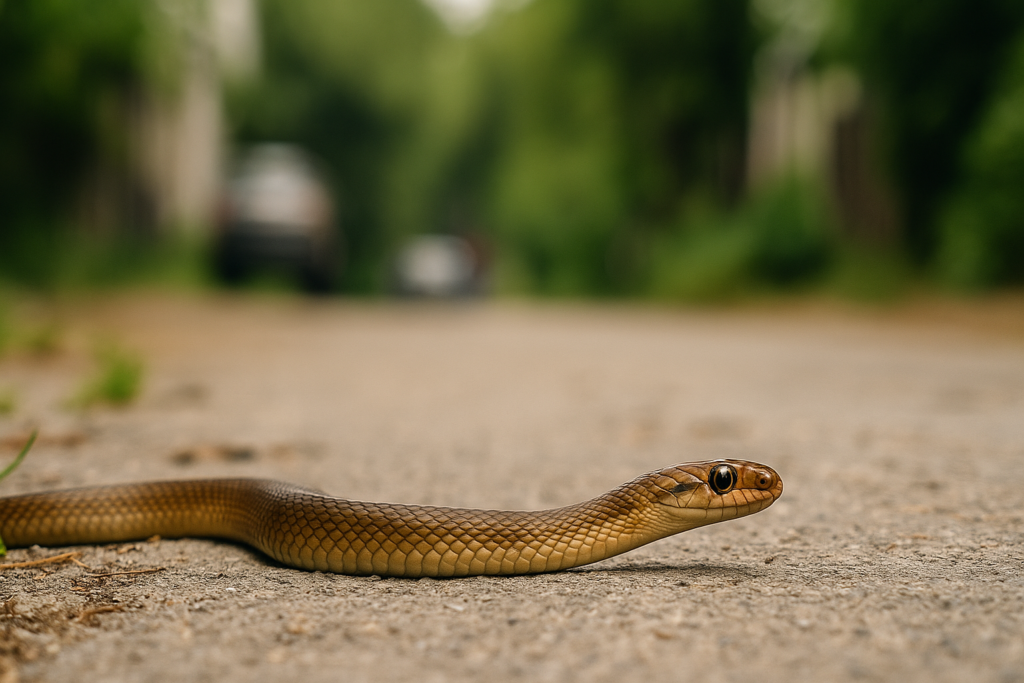
Assessing the Impact of Urbanization on the Fitness of Snakes
Urbanization profoundly alters ecosystems, introducing environmental pressures that can influence the survival, reproduction, and overall fitness of wildlife. For herpetofauna, these pressures often manifest through habitat loss, pollution, human disturbance, and altered predator-prey dynamics. Urban areas tend to harbor subsidized predators (e.g., domestic cats, dogs, and opportunistic birds) that can reduce snake survival, while frequent human disturbance may elevate physiological stress. Additionally, warmer microclimates and artificial light in cities can alter snake behavior, thermoregulation, and physiology.
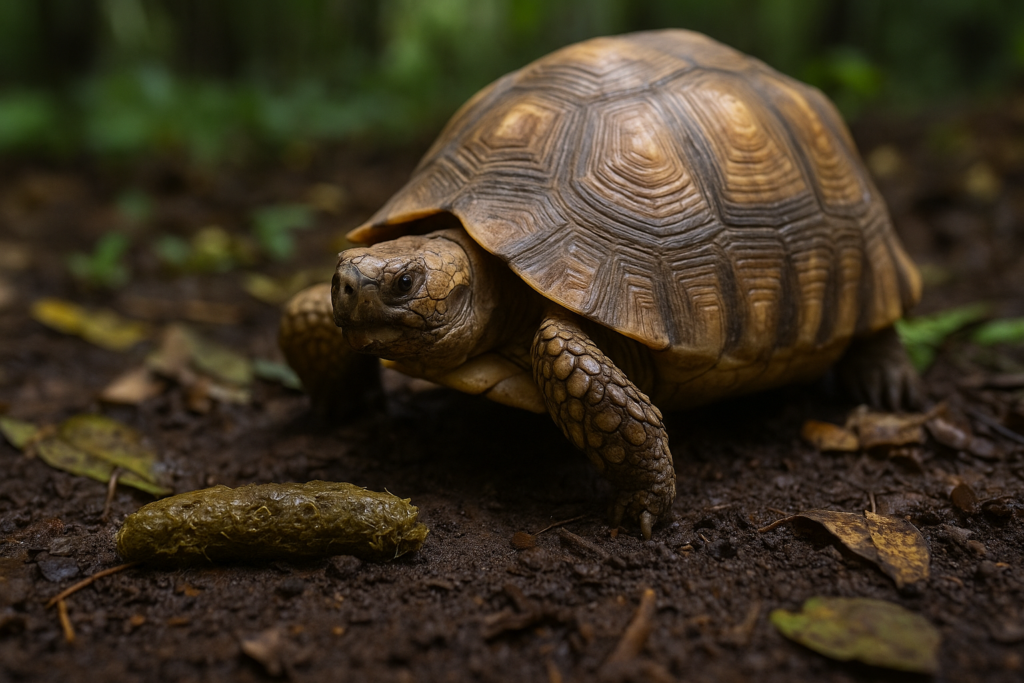
Comparison of Fecal Analysis Using Microscopic and eDNA Methods to Understand Resource Use in an Imperilled Tortoise Species
Understanding dietary ecology is fundamental to wildlife conservation, as it reveals how species interact with their environment and respond to ecological change. For imperilled tortoise species, dietary data are especially valuable for assessing habitat quality, identifying key food resources, and informing management actions in degraded or fragmented landscapes. However, conventional methods such as microscopic examination of fecal samples can be limited by the digestibility of food items, the observer’s taxonomic expertise, and the presence of morphologically indistinguishable plant material.
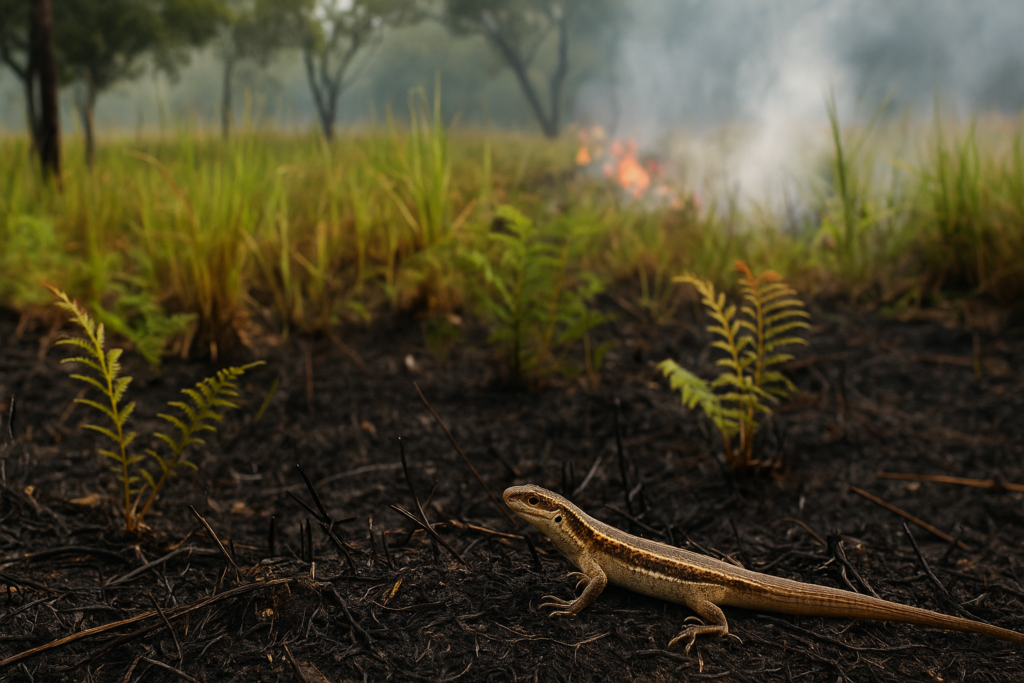
Colonization Dynamics of Herpetofauna and Vegetation Following Prescribed Burns
Fire is a natural ecological force that shapes habitat structure, nutrient cycling, and species composition across many ecosystems. While uncontrolled wildfires can be destructive, prescribed burning—the intentional and carefully managed application of fire—serves as a tool for habitat restoration, fuel load reduction, and biodiversity management. However, its ecological consequences for reptiles and amphibians, especially in tropical environments like Indonesia, remain largely unexplored.
Evaluating population stability and seasonal habitat preferences of Sulawesi Forest Tortoise
The Sulawesi Forest Tortoise (Indotestudo forstenii) is an endemic species found exclusively on the island of Sulawesi, Indonesia. Mark–recapture studies provide one of the most reliable methods for estimating population parameters such as survival, population size, growth rates, and movement. By individually marking and periodically recapturing tortoises, researchers can assess demographic trends and spatial use patterns over time. Such long-term data are vital for evaluating population stability, understanding seasonal habitat preferences, and identifying critical areas for conservation action.